Pixel 10 and the Future of On-Device AI: What Google Got Right
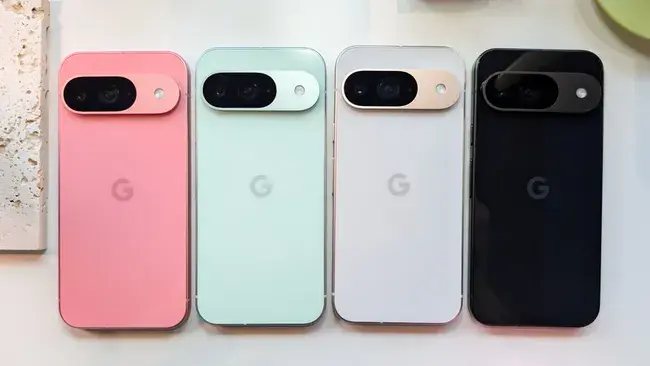
Smartphones have transcended their original purpose as mere communication devices. They’re no longer just phones they’re evolving into intelligent companions, powered by artificial intelligence that anticipates our needs and enhances our daily lives. With the launch of the Pixel 10, Google has taken a bold step forward in this transformation, leveraging its cutting-edge Tensor G5 chip to deliver a suite of AI-driven features that run directly on the device. This isn’t just a hardware upgrade; it’s a vision of a future where AI is seamlessly integrated into every interaction, from snapping photos to drafting messages. The Pixel 10’s emphasis on on-device AI, with faster performance and enhanced privacy, sets a new standard for what smartphones can achieve. Let’s dive into what makes the Pixel 10 a game-changer and why Google’s focus on on-device AI is a glimpse into the future.
Why On-Device AI Matters
The shift toward on-device AI is one of the most significant trends in modern technology, and for good reason. Unlike traditional cloud-based AI, which relies on remote servers to process data, on-device AI performs computations directly on the smartphone. This approach offers three key advantages: privacy, speed, and accessibility.
Privacy
In an era where data breaches and privacy concerns dominate headlines, on-device AI offers a compelling solution. By processing data locally, the Pixel 10 minimizes the need to send sensitive information like voice recordings, photos, or personal texts to the cloud. This reduces the risk of data interception or misuse, giving users greater control over their personal information. For example, when you use voice-to-text or photo recognition features, the processing happens on your device, ensuring your data stays with you.
Speed
On-device AI eliminates the need to wait for a server response, delivering near-instantaneous results. Whether it’s generating a text reply, enhancing a photo, or translating a conversation, the Tensor G5 chip’s optimized architecture ensures that AI tasks are completed in real time. This speed is critical for creating a fluid, intuitive user experience that feels effortless.
Accessibility
Perhaps the most underrated benefit of on-device AI is its ability to function offline. Whether you’re in a remote area with no signal, on a plane, or in a region with unreliable internet, the Pixel 10’s AI features remain fully operational. From translating foreign signs to editing photos, users can rely on their device’s intelligence without needing a constant internet connection.
Pixel 10’s Standout AI Features
The Pixel 10 isn’t just about incremental hardware improvements it’s a showcase of how AI can redefine the smartphone experience. Powered by the Tensor G5 chip, the device introduces a suite of AI-driven features that are both practical and forward-thinking. Here are the highlights:
Magic Cue
Communication is at the heart of any smartphone, and the Pixel 10’s Magic Cue feature takes it to the next level. This AI-enhanced tool analyzes your writing style and context to suggest prompts and responses that feel natural and personalized. Whether you’re drafting a professional email or responding to a friend’s text, Magic Cue offers suggestions that match your tone and intent, saving time and reducing mental effort. For example, if you’re replying to a work email, Magic Cue might suggest concise, formal responses, while for casual chats, it can propose playful or witty replies.
Camera AI
Google’s Pixel line has long been celebrated for its camera capabilities, and the Pixel 10 pushes the envelope further with advanced AI-driven photography and video editing. Features like enhanced Night Sight, real-time HDR adjustments, and AI-powered subject recognition allow users to capture professional-quality images with minimal effort. The video editing suite is equally impressive, offering tools to stabilize shaky footage, enhance audio, and even automatically edit clips into polished montages. The Tensor G5’s 60% faster AI processing ensures these features run smoothly, even when handling 8K video or complex computational photography tasks.
Translation & Journaling
The Pixel 10’s translation capabilities are a standout, offering real-time, context-aware translations that sound natural and accurate. Whether you’re traveling abroad or chatting with a multilingual friend, the device can translate speech or text on the fly, even offline. This is particularly useful for travelers who need to navigate foreign menus or signs without relying on Wi-Fi. Additionally, the AI-powered journaling feature helps users organize their thoughts by suggesting prompts, summarizing entries, or even generating insights based on recurring themes in your writing. It’s like having a personal assistant that helps you reflect and stay organized.
Performance Boost
Underpinning these features is the Tensor G5 chip, which delivers a 34% faster CPU and 60% faster AI processing compared to its predecessor. This performance leap ensures that AI tasks whether it’s running complex machine learning models for photo editing or processing natural language for translations are executed with minimal latency. The chip’s efficiency also improves battery life, allowing users to rely on these AI features throughout the day without draining their device.
Comparing On-Device AI vs. Cloud AI
To fully appreciate the Pixel 10’s approach, it’s worth comparing on-device AI to its cloud-based counterpart. Each has its strengths, but the choice depends on user priorities and use cases.
Cloud AI
Cloud-based AI, which relies on powerful remote servers, excels at handling complex tasks that require vast computational resources. For example, large-scale data analysis or training massive machine learning models is often better suited to the cloud. However, this approach comes with trade-offs. Cloud AI requires a stable internet connection, which can be a limitation in areas with poor connectivity. It also introduces latency, as data must travel to and from servers, and raises privacy concerns, as sensitive information is stored off-device.
On-Device AI
On-device AI, as implemented in the Pixel 10, prioritizes speed, privacy, and independence from connectivity. By processing data locally, it delivers instant responses and keeps user data secure. While on-device AI may not match the raw computational power of cloud servers, advancements like the Tensor G5 chip are closing the gap, enabling sophisticated tasks like real-time video editing and natural language processing directly on the device.
The Future: Hybrid AI
The likely future of AI in smartphones is a hybrid model that combines the strengths of both approaches. On-device AI handles immediate, privacy-sensitive tasks, while cloud AI steps in for heavy-duty computations when connectivity is available. Google is already laying the groundwork for this with the Pixel 10, as its Tensor G5 chip is designed to work seamlessly with Google’s cloud-based services when needed, offering users the best of both worlds.
What This Means for Consumers
The Pixel 10’s AI advancements aren’t just technical achievements they’re reshaping how consumers interact with their smartphones. AI is becoming an integral part of daily micro-actions, from texting to photography to learning a new language. With Magic Cue, drafting messages feels effortless. With Camera AI, every photo is a potential masterpiece. With translation and journaling, the Pixel 10 empowers users to communicate and reflect in ways that feel intuitive and deeply personal.
More broadly, the Pixel 10 signals a shift toward smartphones as “personal AI agents.” These devices are no longer just tools for communication or entertainment they’re proactive assistants that anticipate your needs, learn from your habits, and adapt to your lifestyle. Whether it’s suggesting a reply to a text, editing a video for social media, or helping you navigate a foreign country, the Pixel 10’s AI is designed to make life easier and more connected.
Conclusion
The Pixel 10 is more than just a phone upgrade it’s a bold step toward a future where AI lives in your pocket, not just in the cloud. With its Tensor G5 chip, advanced AI features like Magic Cue, Camera AI, and context-aware translation, Google has set a new benchmark for what smartphones can achieve. By prioritizing on-device AI, the Pixel 10 delivers faster, more private, and more accessible experiences that empower users in their daily lives. As the line between smartphones and personal AI agents continues to blur, the Pixel 10 offers a glimpse into a future where technology is not just a tool, but a partner that enhances every moment.